Stretched LCD vs Standard 16:9 Panels for Digital Signage
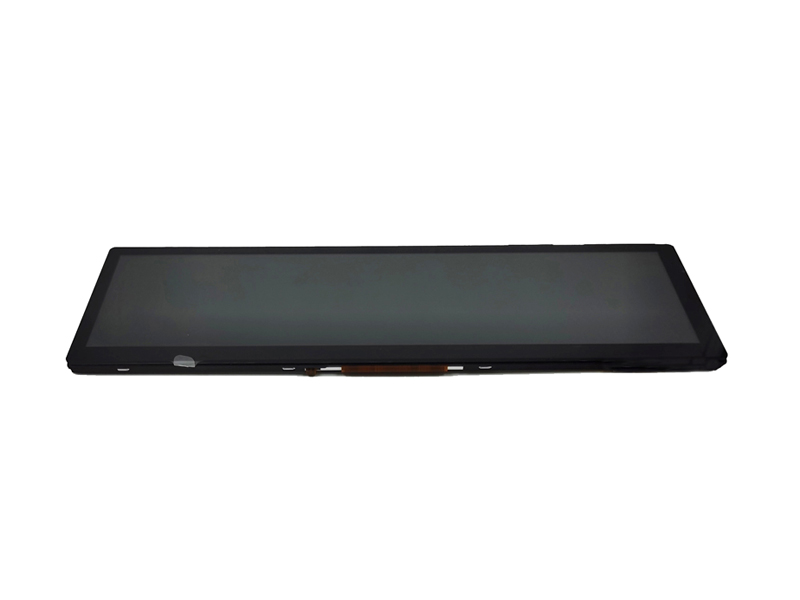
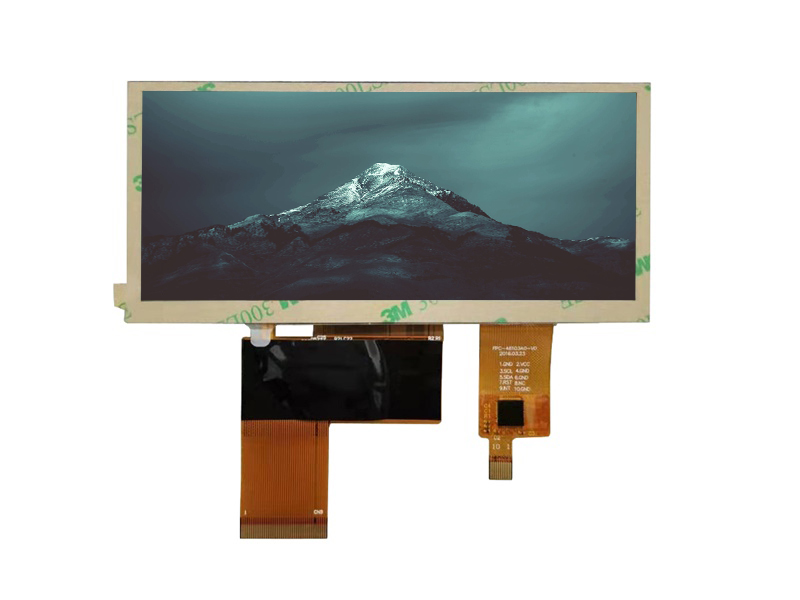
Stretched LCD panels with aspect ratios from 4:1 to 8:1 fit narrow columns, tickers, and custom signage openings, while 16:9 panels suit video and standard content at commodity prices. The choice is a content…

Stretched LCD panels with aspect ratios from 4:1 to 8:1 fit narrow columns, tickers, and custom signage openings, while 16:9 panels suit video and standard content at commodity prices. The choice is a content and a mounting decision: the stretched format wins where the space is narrow and the message is a strip, and 16:9 wins where the content is video and the opening is standard.
The signage buyer compares two different products, not two sizes of the same product: the stretched panel is a niche supply with more customization, and the 16:9 panel is the commodity baseline. CDTech supplies stretched and standard displays for the signage applications.
Stretched vs 16:9 Form Factors Compared
The stretched format runs aspect ratios from 4:1 to 8:1 with sizes from the small bar to the large cockpit panels, while the 16:9 format is the commodity standard for the monitors and the signage. The form factor decides the mounting, the content, and the supply.
The mounting is the first difference: a stretched panel fits a narrow column or a slot in the architecture, while a 16:9 panel needs the standard landscape or portrait space. The content follows: a ticker or a status line fits the strip, and video and the standard UI fit 16:9. The two formats are different products with different ecosystems.
The buyer should draw the opening and the content before the choice, because the format is the product. The stretched panel is specified by the active area and the ratio, and the 16:9 panel by the diagonal and the resolution.
The two formats also differ in the ecosystem: the 16:9 panel has the deep supply of the scalers, the mounts, and the players, while the stretched panel brings the controller and the custom integration with the product. The buyer should confirm the ecosystem support with the host, because the integration effort follows the format.
Content Fit: Tickers Suit Stretched, Video Suits 16:9
The content decides the format: ticker text, countdowns, status lines, and split-column messages fit the stretched strip, while video, images, and the standard web content fit 16:9. The message and the format must match, because a stretched panel with a video-heavy UI wastes the format.
The stretched panel is strong where the message is a continuous strip: a transit ticker, a shelf edge price line, a station indicator, or a narrow architectural band. The 16:9 panel is strong where the content is rich media, and the standard aspect avoids the letterboxing and the crop.
The buyer should design the content for the chosen format, because a stretched panel only looks right when the UI is built for the ratio. The content design and the format are specified together, and the sample is judged with the real content.
The content pipeline is also part of the decision: a stretched panel with a custom resolution needs the content rendered for the ratio, while a 16:9 panel accepts the standard media. The buyer should confirm the content production and the CMS support, because the format choice affects the entire content operation.
Brightness and Viewing Differences Between Formats
Both formats offer the brightness range of about 500 to 1500 nits, and the stretched panels are often used in portrait or narrow orientations with the viewing from the side. The viewing and the brightness follow the mounting and the ambient.
The stretched panel mounted high or in a column is viewed from an angle and a distance, and the IPS grade and the anti-reflective stack matter; the 16:9 panel is viewed from the front at the typical distance. The brightness is set by the ambient, with the outdoor and the window-facing locations at the higher end.
The buyer should confirm the viewing positions and the ambient with the mounting, because the format and the environment decide the optical grade. The sample is evaluated at the actual mounting position.
The portrait use is a stretched special case: a narrow vertical panel is read from the side and the distance, and the IPS grade and the wide viewing are specified for the orientation. The buyer should confirm the orientation with the mounting, because the portrait viewing differs from the landscape.
Cost and Supply: Niche Stretched vs Commodity 16:9
The stretched format is a niche supply with a higher cost, while the 16:9 format is the commodity with the deep supply and the lower price. The cost difference follows the volume and the customization.
The stretched panel’s price reflects the smaller production runs, the custom sizes, and the longer lead time, while the 16:9 panel benefits from the mass-market scale. The buyer should compare the system cost, the mounting, the content, and the supply, because the cheaper 16:9 panel with a custom enclosure can cost more than the stretched panel that fits directly.
The supply risk should also be checked: the stretched panel depends on the niche supply and the supplier’s continuity, and the buyer should confirm the long-term availability and the second source. The 16:9 supply is deeper and safer for a long program.
The lead time also differs: the stretched custom panel adds the tooling and the sample cycle, while the 16:9 standard panel ships from the stock or the short cycle. The buyer should plan the program with the lead time, because the format choice affects the schedule.
Customization Options: Where Stretched Displays Win
The stretched format offers more customization: the custom cutout, the FPC, the cover glass, the bonding, and the touch are tailored to the product, while the 16:9 format is mostly standard. The customization is where the stretched panel becomes a product part.
The custom options follow the enclosure: a stretched panel is cut to the opening, the FPC routes to the host, and the cover and the bonding are specified with the environment. The customization adds the NRE and the lead time, and the buyer should freeze the options with the sample.
The buyer should confirm the custom options with the supplier, because the stretched panel is a program item with its own qualification. The customization is the stretched format’s advantage, and the cost is the trade.
The customization should be verified with the sample and the metrology: the cutout tolerance, the FPC fit, and the optical behavior are confirmed, and the production units match the approved sample. The buyer should include the custom verification in the acceptance, because the stretched panel is a qualified component.
Decision Guide: Choosing Between Stretched and 16:9
The decision guide scores the format by the opening, the content, the ambient, and the budget: the stretched format for the narrow spaces and the strip content, and the 16:9 for the standard spaces and the rich media. The checklist below summarizes the decision.
| Factor | Choose stretched | Choose 16:9 |
|---|---|---|
| Opening | Narrow column or slot | Standard landscape or portrait |
| Content | Ticker, status, split columns | Video, images, web UI |
| Viewing | Side and distance, portrait | Front at typical distance |
| Budget | Niche cost accepted | Commodity pricing |
| Customization | Needed | Standard is enough |
The final check is the sample with the real content at the mounting position: the stretched panel is judged on the fit and the strip readability, and the 16:9 panel on the image quality. CDTech supplies both formats, and the bar-type display lineup lists the stretched options, with the selection context in the bar type LCD display guide.
CDTech also confirms the format and the customization with the sample, so the stretched or the 16:9 choice is verified with the fit and the content before the production. The buyer should request the drawing and the sample with the quotation, because the format decision is a product decision.
Frequently Asked Questions
What is a stretched LCD?
A panel with an aspect ratio from 4:1 to 8:1, sized for narrow columns, tickers, and custom openings. It is specified by the active area and the ratio, not by the diagonal alone, and the content is designed for the strip.
When should I choose stretched over 16:9?
When the opening is narrow and the content is a strip, such as a ticker, a shelf edge, or an architectural band. For video and standard content in a standard space, 16:9 is the practical choice, and the content design confirms the format.
Is a stretched display more expensive?
Generally yes, because of the niche supply and the customization. The system cost should include the mounting, the enclosure, and the content, because a 16:9 panel with a custom enclosure can cost more than the stretched panel that fits directly.
Can stretched displays be customized?
Yes. The cutout, the FPC, the cover glass, the bonding, and the touch are tailored to the product, with the NRE and the lead time part of the quotation, and the customization is verified with the sample.