Multi-Bar Display Networks: Cloud CMS and Content Scheduling
A multi-bar display network connects from 10 to 10,000 bar-shaped endpoints through a cloud CMS: the players render the scheduled content, the network syncs within 1 to 5 seconds, and the system is managed…

A multi-bar display network connects from 10 to 10,000 bar-shaped endpoints through a cloud CMS: the players render the scheduled content, the network syncs within 1 to 5 seconds, and the system is managed remotely with the monitoring, the OTA updates, and the security controls. The network is a system of players, panels, and software.
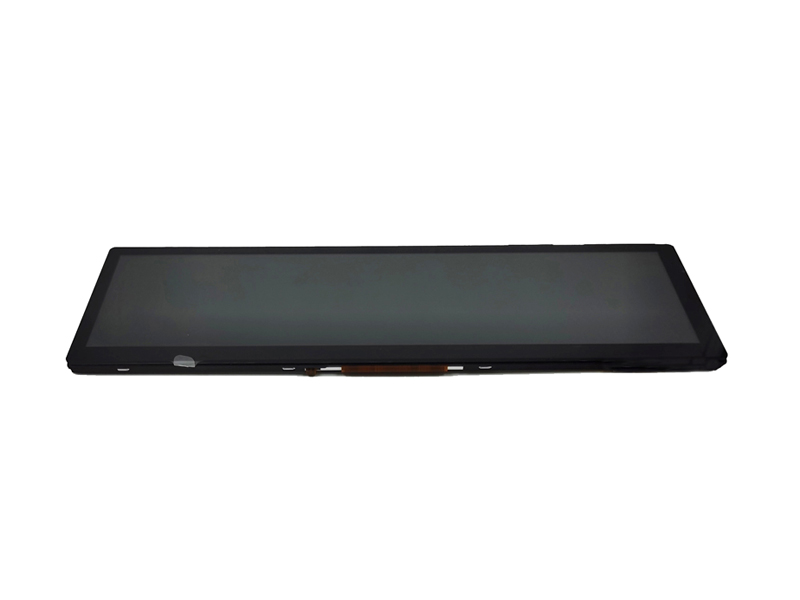
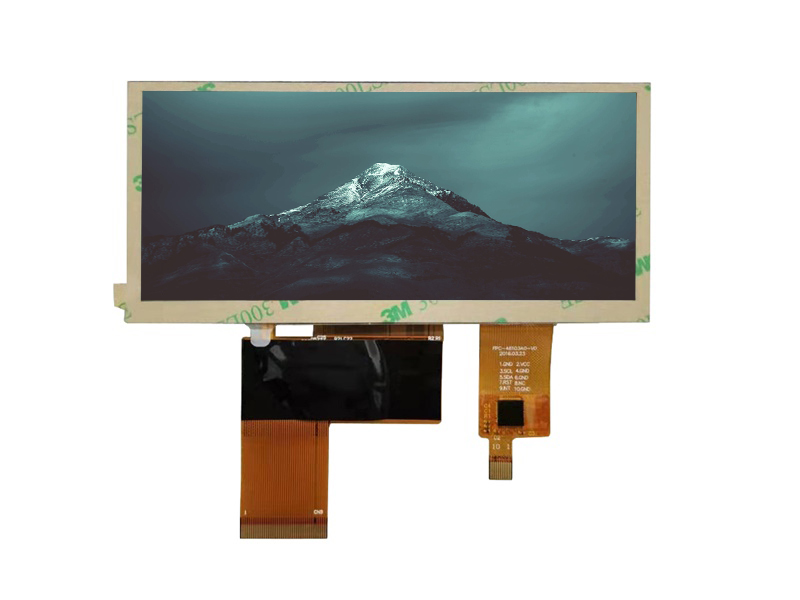
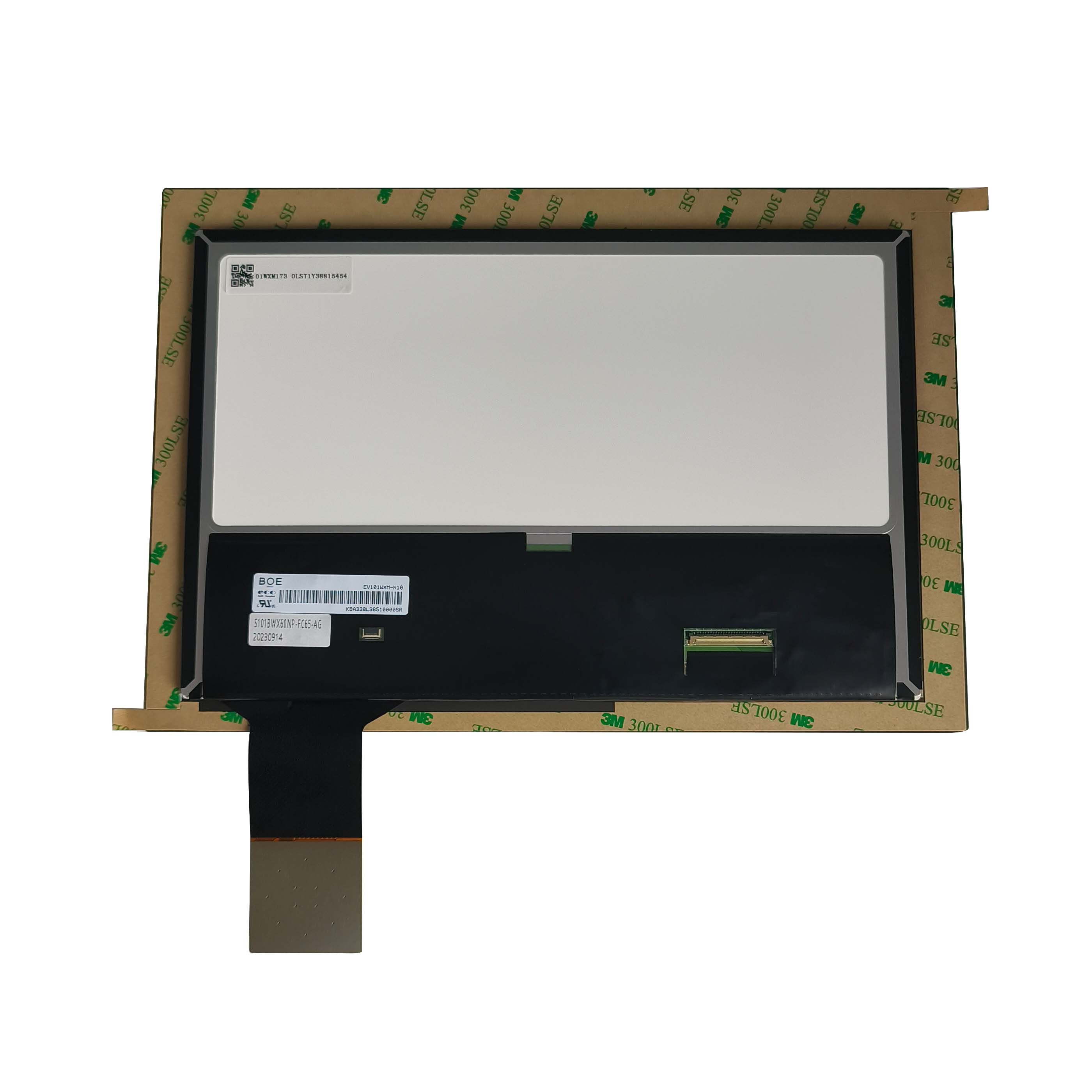
The integrator’s job is to pick the architecture and the CMS that scale: the hardware, the connectivity, the content workflow, the reliability, and the security are specified together, because a display network fails as a system, not as a single panel. CDTech supplies the bar displays for the network endpoints, and the CMS and the players are integrated around them.
What a Multi-Bar Display Network Needs
The network needs the endpoints, the players, the connectivity, the content management, and the monitoring: the bar displays with the embedded players, the network connection, the cloud CMS for the scheduling, and the health monitoring for the fleet. The scale, from 10 to 10,000 endpoints, decides the architecture.
The content sync within 1 to 5 seconds is the operational requirement: the signs across a station or a city show the same message at the same time, and the sync depends on the network and the players. The integrator should confirm the sync requirement with the use, because a transit network and a retail chain have different timing needs.
The network is specified by the endpoint count, the update frequency, and the reliability: the buyer should write the scale and the operational requirements into the specification, because the architecture follows the numbers.
The endpoint count also decides the management model: a small network can run with the manual tools, while a large fleet needs the automated provisioning, the monitoring, and the support tier. The buyer should confirm the scale with the CMS, because the operations cost grows with the fleet.
Hardware Architecture: Players, Panels, and Connectivity
The hardware architecture pairs the bar panel with a player: an SoC player embedded in the display or an external player driving the panel over HDMI or LVDS, with the connectivity options including the Ethernet, the PoE, and the 4G. The player and the panel are the endpoint.
The embedded player simplifies the installation: the display is a network device with the player inside, and the PoE powers the endpoint over one cable. The external player separates the display and the compute, which suits the upgrades and the standard panels. The connectivity follows the location, with the wired for the fixed signs and the 4G for the remote ones.
The integrator should confirm the player support with the panel: the interface, the resolution, and the content format are matched, because the player renders the content for the bar resolution. The endpoint is a system, and the compatibility is part of the design.
The power and the thermal design should also be confirmed at the endpoint: the player and the panel share the power budget, and the enclosure must cool both, because the network runs 24/7. The buyer should confirm the endpoint power with the PoE or the supply, because the field installation depends on it.
Cloud CMS Features: Scheduling, OTA, and Monitoring
The cloud CMS provides the scheduling, the playlists, the OTA firmware updates, and the monitoring dashboard: the content is deployed to the fleet, the players are updated remotely, and the health and the alarms are visible in one view. The CMS is the management layer of the network.
The scheduling features matter for the operations: the daypart playlists, the zone-based content, the emergency overrides, and the remote reboot are the daily tools of the network operator. The OTA updates keep the players and the security current, and the monitoring catches the offline endpoints before the field visit.
The integrator should confirm the CMS features with the operations, because the network is managed daily. The CMS selection is a cost and a capability decision, and the per-screen cost and the scalability are part of the comparison.
The CMS should also be evaluated for the integration: the API access, the third-party connections, and the data export are part of the network, and the operator should confirm the integration with the existing systems. The buyer should test the CMS with the actual players, because the management layer is verified in the operation.
Content Design for Bar-Shaped Displays
The content is designed for the bar resolution, from 320×120 to 1920×720: the ticker, the countdown, the QR, and the rich media are laid out for the strip, and the content is rendered without the crop or the letterbox. The content design is part of the network.
The bar format favors the single-message-per-frame approach: a ticker scrolls the text, a countdown shows the time, a QR invites the interaction, and a split layout serves the zones. The content is designed with the readability distance, and the text and the graphics are sized for the sign.
The integrator should confirm the content workflow with the CMS: the templates, the media library, and the scheduling are the tools, and the content operation is part of the network design. The content is designed once and deployed to the fleet.
The content quality should also be checked on the bar panels: the text legibility, the color, and the motion are verified on the actual resolution, because the content that looks right on a monitor can fail on the strip. The buyer should validate the content on the sample, because the bar format is the final judge.
Reliability: Offline Cache and 24/7 Operation
The reliability covers the endpoint and the network: the player caches the content for the offline playback, the watchdog recovers the player, and the panel is rated for the 24/7 operation with the 50,000-hour backlight. The network keeps the content on screen even when the connection drops.
The offline cache is the key reliability feature: the player stores the local content and continues the schedule without the network, and the recovery is automatic when the connection returns. The watchdog and the remote reboot handle the hung players, and the fleet monitoring flags the offline units.
The integrator should confirm the reliability features with the CMS and the player, because the network runs unattended. The 24/7 duty and the backlight life are part of the panel specification, and the field service is the cost of the failure.
The redundancy should also be planned: the power backup, the network failover, and the spare endpoints are part of the reliability, because a critical sign going dark is an operational event. The buyer should confirm the redundancy with the operator, because the availability is a design decision.
Security and Compliance for Public Display Networks
The security covers the endpoints, the network, and the data: the HTTPS for the transport, the device authentication, the role-based access, and the audit log, with the GDPR compliance for the public displays that handle the personal data. The network is an attack surface, and the security is part of the design.
The endpoint security matters most: an unpatched player on a public network is an entry point, and the device authentication, the signed updates, and the restricted access are the controls. The compliance follows the content and the data: a transit network with the passenger data and a retail network with the footfall data have different requirements.
The integrator should confirm the security and the compliance with the operator and the CMS, because the network is deployed in the public space. The security review is part of the acceptance, and the updates and the monitoring are part of the operation. CDTech supplies the bar displays for the network endpoints, and the bar-type display lineup lists the module options, with the selection context in the bar type LCD display guide.
CDTech also confirms the panel and the integration with the network provider, so the endpoint is verified with the player and the content before the deployment. The buyer should request the panel documentation and the sample, because the network is built on the display endpoints.
Frequently Asked Questions
How many displays can a bar network manage?
From 10 to 10,000 endpoints, depending on the CMS and the architecture. The scale decides the connectivity, the CMS tier, and the monitoring design.
What is the content sync requirement?
The signs across the network should show the same message within 1 to 5 seconds. The sync depends on the network, the players, and the CMS, and the requirement is confirmed with the use.
How do the displays stay on if the network drops?
The player caches the content for the offline playback and recovers automatically. The watchdog and the remote reboot handle the hung players, and the fleet monitoring flags the offline units.
What security does a display network need?
The HTTPS transport, the device authentication, the role-based access, and the audit log, with the compliance for the data. The endpoints are the attack surface, and the updates are part of the operation.