Industrial LCD vs Consumer Monitor: Key Differences
Industrial displays and consumer monitors can share a screen size and even a similar resolution, but they are engineered for different lives. A consumer monitor is built for years of modest use in a…

Same Screen Size, Different Design Goals: Industrial vs Consumer
The design goal changes everything downstream. Consumer displays optimize for first-sale appeal—price, looks, and features—because the buyer is an individual and the life is short. Industrial displays optimize for the equipment builder: reliability over years, availability over the product’s life, and documentation that supports qualification. The same active area can sit in very different products with very different expectations, which is why comparing them by size alone misleads.
Duty Cycle and Lifetime: 24/7 Industrial vs Consumer Use
Industrial HMIs often run 24/7; consumer monitors run hours a day. Continuous duty stresses the backlight, electronics, and thermal design, so industrial displays are specified for the duty cycle with backlight lifetime evidence tied to it. Consumer monitors carry no such commitment. The backlight lifetime and MTBF mechanics have their own guide; the comparison here is that the duty-cycle requirement separates the two product classes before any other specification.
Interface Differences: Bare Panels vs Scaler-Equipped Monitors
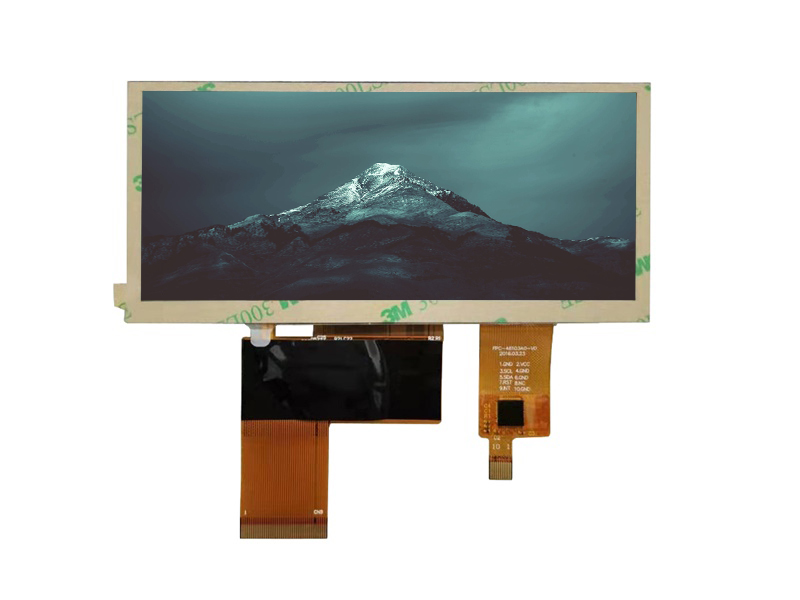
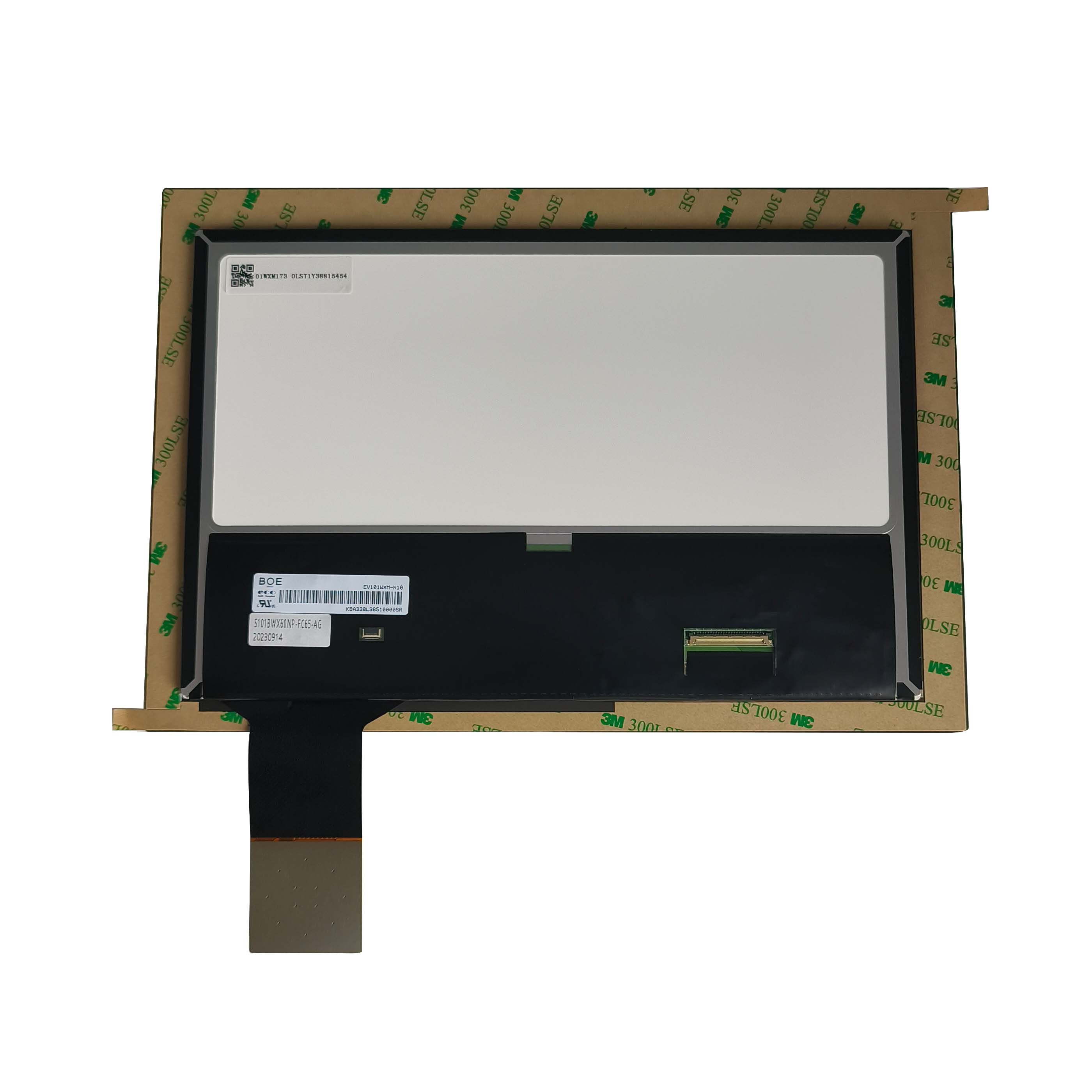
Consumer monitors are complete products: they accept HDMI, DisplayPort, or VGA through a scaler board and drive the panel internally. Industrial displays are often bare panels with LVDS, MIPI-DSI, or RGB interfaces, designed to connect directly to the equipment’s host. The bare-panel approach gives the equipment builder control and lower cost per unit; the scaler-equipped approach offers plug-and-play video at higher cost and less integration freedom. Interface guides cover the panel-side choices; the comparison is between buying a display and buying a monitor.
Operating Environment: Temperature, Humidity, and Enclosure
Industrial displays face environments consumer monitors never see: wide temperature swings inside enclosures, humidity, dust, vibration, and washdown. They are specified with operating and storage ranges and often sealed for the environment, while consumer monitors assume a room. The same panel technology can serve both, but the industrial build uses qualified components and environmental evidence. If a consumer monitor is installed in an industrial enclosure, the environment usually exceeds its design assumptions.
Touch and Bonding: Where Industrial Displays Pull Ahead
Industrial HMIs commonly add touch, cover glass, and optical bonding for a front that survives use and cleaning. Consumer monitors rarely integrate touch at the panel level. The industrial stack—PCAP or resistive touch, strengthened cover, bonded front—is a design investment that consumer products skip, which is part of the cost difference and part of the capability difference. Touch and bonding guides own the technology detail; the comparison is that the industrial front is an engineered system.
Price Structure: Why an Industrial LCD Costs More
Industrial displays cost more for concrete reasons: lower volumes, qualified components, environmental and lifetime testing, documentation, and long-term supply commitments. The price difference is industry experience rather than a fixed rule; treat it as context and compare quotes on the same specification. The premium buys the reliability and availability that a 24/7 product needs—if the application does not need it, a consumer-class display can be the honest choice.
Frequently Asked Questions
Why are industrial displays more expensive than consumer monitors?
Lower volumes, qualified components, environmental and lifetime testing, documentation, and long-term supply commitments add cost that consumer products do not carry.
Can a consumer monitor be used in industrial equipment?
Only if the environment and duty cycle stay inside the monitor’s design assumptions—rooms, limited hours, and no industrial stress. Most industrial applications exceed them.
What is the difference between a bare panel and a scaler-equipped monitor?
A bare panel connects directly to the host over an embedded interface; a monitor includes a scaler board that accepts standard video inputs. Bare panels suit embedded designs; monitors suit plug-and-play video.
If you are deciding between an industrial display and a consumer monitor, compare duty cycle, environment, and interface needs before price. CDTech supports industrial LCD specification across the industrial display range—contact us with your application.