What Specs Define a 12.3-Inch Automotive Display?
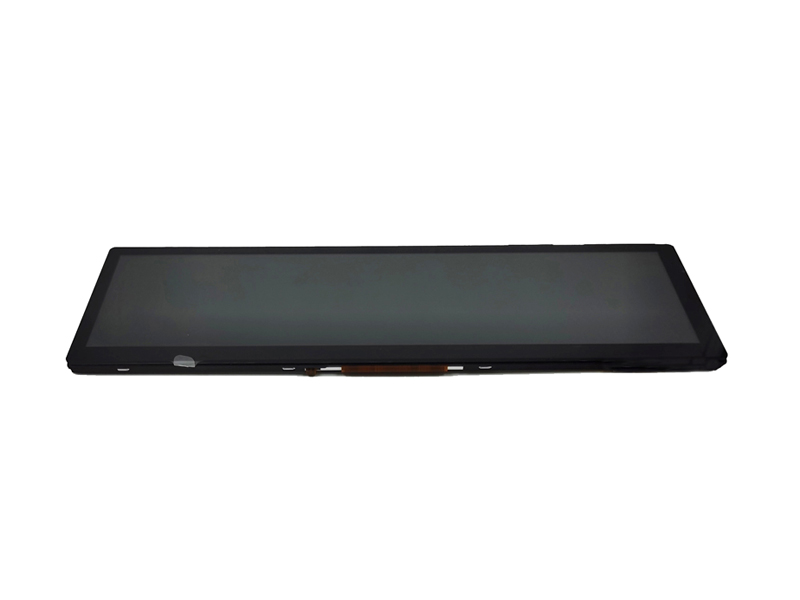
The 12.3-inch format dominates modern cockpits: instrument clusters, integrated center stacks, and the wide 1920×720 bar variant that stretches across the dash. Its popularity comes from size—large enough for rich cluster graphics—and from the…
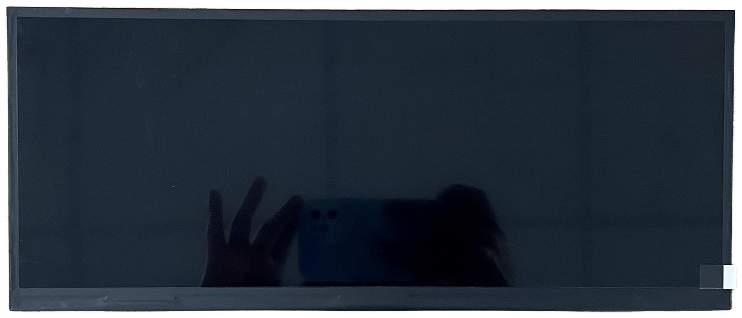
Why 12.3 Inch Dominates Cockpits: Bar, Cluster and Center Stack Formats
Twelve-point-three inches balances information density with packaging. Clusters use it for speedometers, maps, and driver information; center stacks use it for infotainment; and the wide variant—often 1920×720—creates the full-width cockpit look that spans cluster and center stack in one visual band. The format’s availability across resolutions and interfaces makes it the default choice for programs that want proven supply rather than a novel size.
Core Specification Set for a 12.3-Inch Automotive Display
The core spec starts with the format: active area, outline, resolution, interface, and luminance. From there it expands to viewing angle and contrast for the driver’s position, color and grayscale for the graphics content, backlight and dimming behavior for day and night, touch where the application needs it, and the mechanical envelope with tolerances. Every value needs a condition—luminance at the drive setting, viewing angle at the driver position—so the spec is verifiable rather than descriptive.
The 1920×720 Bar Variant: Format, Specs and LVDS Integration
The 1920×720 bar is the wide cockpit display: a long active area with 2K-class width and a short height, typically driven over LVDS in automotive programs. Its bandwidth is modest by 2K standards because the pixel count is limited by the short height, which keeps the LVDS link practical. Integration points include the LVDS lane configuration, timing, and the mechanical fit of a long, thin panel in the cockpit. Formats and resolutions in this article are product-class references; confirm the exact values on the specific panel datasheet.
Curved, Shaped Panels and Cover Glass: Radius, Tolerances and AG/AR
Modern cockpits curve displays around the driver. Curved and shaped panels add constraints: the bend radius, the cover glass form (2D, 2.5D, or 3D), optical tolerances across the curve, and coating behavior on shaped glass. Curvature changes the viewing geometry and the bonding process, so the specification must capture the radius, tolerances, and optical requirements together. Cover and coating design have their own guides; the 12.3-inch spec defines what the shape must achieve in the cockpit.
Touch and Bonding Options for 12.3-Inch Cockpit Displays
Center-stack and integrated displays typically use PCAP touch on a bonded glass front for gestures, cleanability, and optical quality. Bonding joins the cover to the panel, improving sunlight readability and strength. Touch and bonding choices follow the interaction model and the optical environment; the technology comparisons and material decisions belong to their dedicated guides, and the module spec defines the option set and the acceptance criteria for the finished stack.
Environmental, EMC and Qualification Checks: AQL, Golden Sample and PVT Records
A cockpit display is qualified like any automotive electronic: temperature and humidity over the cabin range, vibration at the mounting, EMC against the vehicle environment, and visual quality against the program’s inspection plan. The quality chain—AQL levels, golden samples, and PVT records—comes from the automotive quality process, and the environmental methods from the reliability and standards guides. Qualification evidence, not the datasheet alone, is what lets the display into the vehicle program.
12.3-Inch Display Specification Checklist for Buyers
- Active area, outline, and tolerances match the enclosure.
- Resolution and interface match the host and content needs.
- Luminance, viewing angle, and contrast are specified with conditions.
- Cover, curvature, touch, and bonding options are defined by drawing.
- Environmental, EMC, and quality evidence requirements are stated.
- Golden sample, PVT, and inspection terms are in the agreement.
Frequently Asked Questions
What are the common 12.3-inch automotive formats and resolutions?
Clusters and center stacks commonly use 1920×720 bar formats or other 12.3-inch configurations; the exact resolution and aspect depend on the application and are confirmed on the panel datasheet.
How do I verify brightness and temperature ratings?
Check the datasheet values with their conditions (drive, ambient, test method), and require qualification evidence for the actual cockpit environment rather than accepting the datasheet alone.
When should I choose the 1920×720 bar variant?
When the design wants a wide cockpit band spanning cluster and center stack, and the host supports the LVDS link and format. Confirm integration details on the specific panel.
If you are specifying a 12.3-inch cockpit display, freeze the format, optical, and mechanical requirements before engaging suppliers. CDTech supports automotive display specification including 12.3″ 1920×720 LVDS modules across the vehicle LCD range—contact us with your cockpit layout.