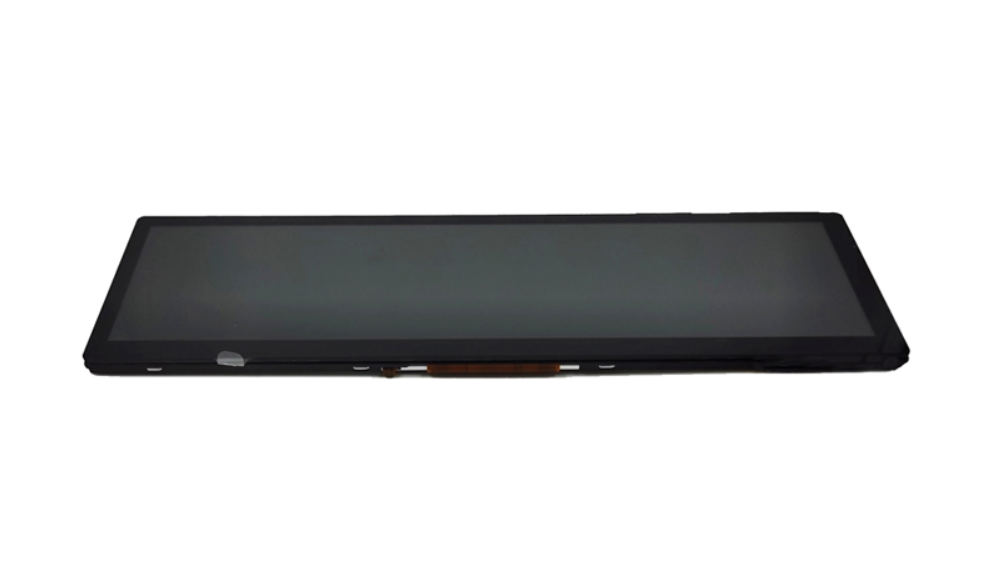
Mounting Design and Load Paths for Display Assemblies
Most display modules are specified carefully and then mounted casually. The result is a class of defects - uneven backlighting, patches of mura, cracked…
Read the noteSpecifying and buying a custom module: custom sizes and formats, FPC, power and thermal design, MOQ, NRE and tooling, sampling, factory audit and supply-chain risk.
46 articles in this category.
Most display modules are specified carefully and then mounted casually. The result is a class of defects - uneven backlighting, patches of mura, cracked…
Read the noteSourcing a custom LCD is a process with stages, gates, and documents—not a single quote request. Done well, it moves from a defined requirement…
Read the noteTwo quotes for "the same" LCD can differ by a wide margin, and often the panels are not the same at all. LCD pricing…
Read the noteAn LCD factory audit is a logistics exercise as much as a technical one: plan the visit, agree the documents in advance, examine the…
Read the noteLCD panels arrive damaged when packaging fails: inadequate ESD protection, missing edge support, moisture ingress, or rough handling that the box was never designed…
Read the notePaying for LCD tooling is a commitment, not a purchase order detail. Before you send money for samples or a tooling/NRE fee, you should…
Read the noteMost LCD sourcing problems are not technical—they are commercial decisions made early: choosing the lowest quote without context, skipping the factory audit, leaving MOQ…
Read the noteMost LCD products start from a standard size, and most of those products fit. But enclosures are designed around products, not around display catalogs,…
Read the noteHow to Read an LCD Datasheet: Key Parameters Decoded An LCD datasheet is the contract between the supplier and your design: it states what…
Read the noteA "wide temperature" LCD is a display that keeps working outside the comfortable indoor range of consumer screens—commonly spanning operating limits such as -20°C…
Read the note