Custom LCD Panel Sizes: When Standard Sizes Don’t Fit
Most LCD products start from a standard size, and most of those products fit. But enclosures are designed around products, not around display catalogs, and eventually a design needs an active area no standard…

Why Buyers Need Custom LCD Sizes
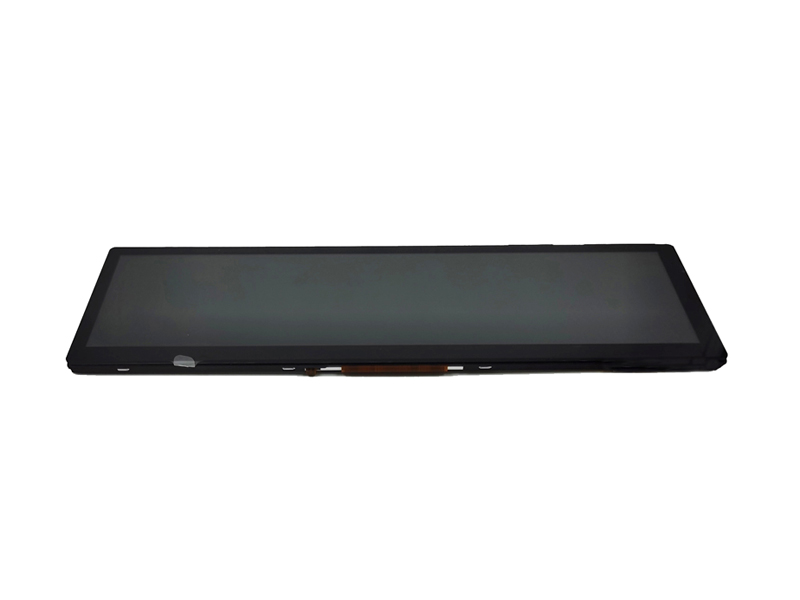
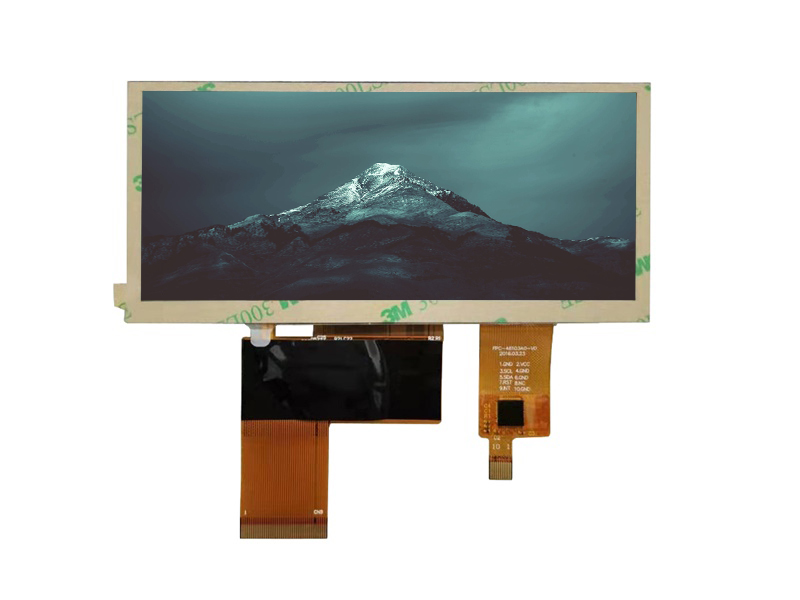
Custom sizes appear when the enclosure, the UI, or the product concept demands an active area outside the standard matrix: a housing shaped around a specific opening, an aspect ratio that no catalog panel matches, or a product where standard sizes would force wasted bezel or a larger footprint. Custom sizing also lets a single display match a distinctive industrial design rather than bending the product around a panel. The reason must be real—design fit, UI requirements, or differentiation—because the custom path carries costs that standard sizes avoid.
Standard vs Custom LCD Sizes: The Real Trade-Offs
| Factor | Standard size | Custom size |
|---|---|---|
| Fit | Product adapts to the panel | Panel adapts to the product |
| Cost and MOQ | Lower, volume-driven | Higher with custom minimums |
| Lead time | Shorter, catalog-driven | Longer with design and samples |
| Risk | Proven supply | Process and quality to qualify |
The trade-off is not one-dimensional: a custom size that enables a distinctive product can be worth the cost, while a custom size chosen to avoid a small bezel change may not be. Score the fit benefit against the program cost before committing.
How Custom LCD Sizes Are Made: Cutting and Edge Sealing
Custom sizes are produced by two paths. The first is panel cutting (often called 2nd cutting), where a standard panel is cut to the custom dimensions and the cut edges are sealed. Cutting is fast and flexible, but it changes the edge condition and carries process limits. The second path is a fully custom cell design, where the panel is manufactured to the size from the start—no cutting, but a longer, more expensive development program. The cutting process detail belongs to the 2nd cutting guide; the size decision here is which path fits the program’s volume and quality needs.
What Changes After a Panel Is Cut to a Custom Size
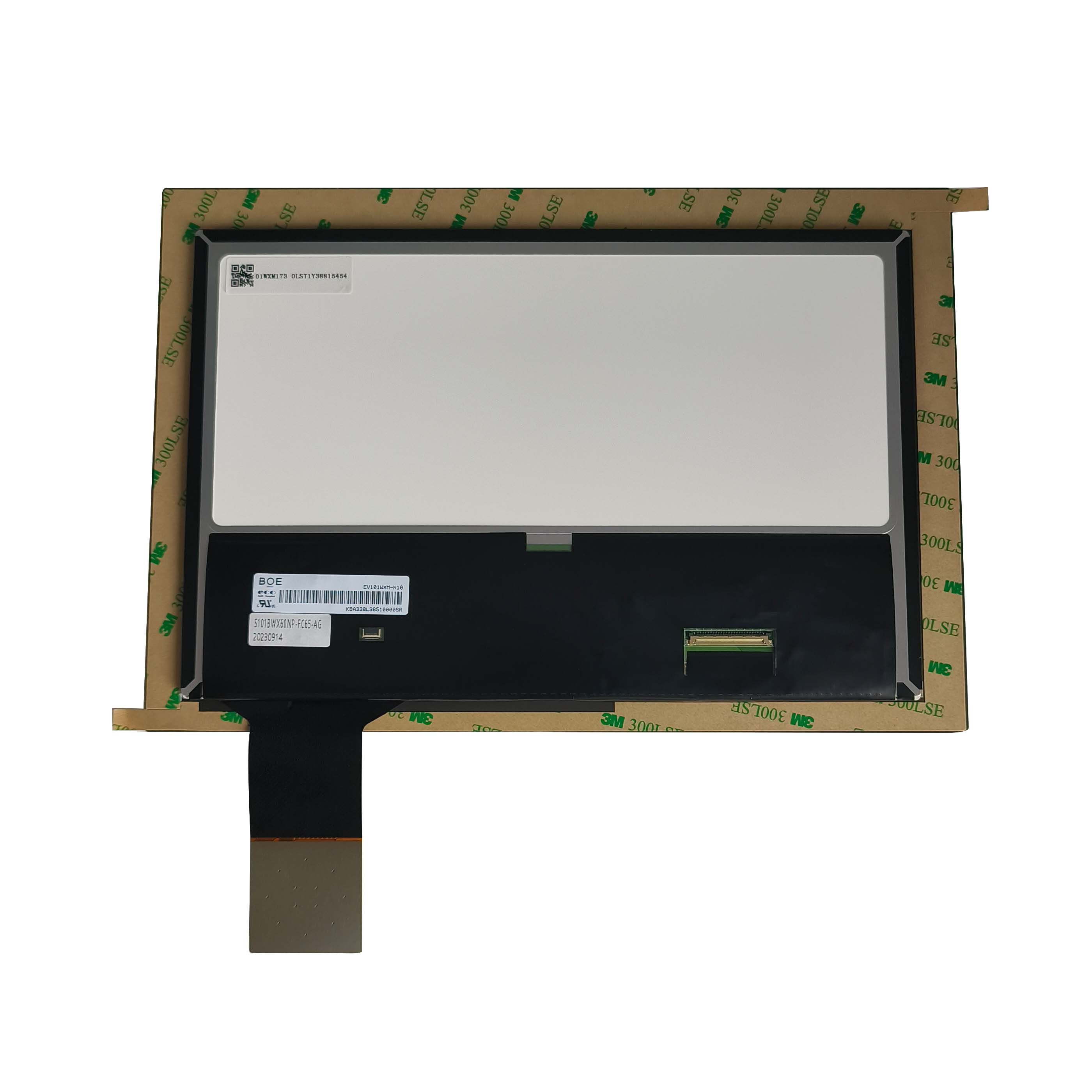
Cutting changes more than the outline. The cut edges need sealing to protect the cell from moisture; the active area position relative to the new edge must be controlled; and the structure around the cut—where the panel was designed with seal and routing margins—now has new constraints. Touch, cover, and bonding stacks designed for the original panel geometry must be reworked for the custom size. None of these changes is a blocker, but all of them are engineering work that the size decision must budget for.
How Custom LCD Sizes Affect Cost, MOQ, and Lead Time
Custom sizes add cost through process (cutting and sealing), lower volume efficiency, and the engineering needed to qualify the custom format. MOQs rise because the custom process has fixed setup costs, and lead time grows with samples and qualification. The cost and schedule impact depends on the path: cutting a common panel format is faster and cheaper than a custom cell. Cost, MOQ, NRE, and lead-time mechanics have their own guides; the size decision sets which of those levers the program will pull.
How to Verify a Custom LCD Supplier Before Ordering
Custom sizing moves quality risk to the supplier’s process, so verification matters more than with standard panels. Verify the cutting or custom-cell process with evidence: achievable tolerances, edge-sealing method, sample measurements against the drawing, and quality records from similar custom programs. Ask which formats the supplier has cut successfully and what the yield and qualification data show. The supplier verification framework applies; the custom-size requirement adds process-specific questions about edges, tolerances, and sealing.
Frequently Asked Questions
When should I request a custom LCD size instead of a standard one?
When the enclosure or UI genuinely needs an active area no standard panel offers, and the fit or differentiation benefit justifies the cost, MOQ, and lead time of the custom path.
What custom LCD sizes are actually possible?
Custom sizes are achievable within the limits of the manufacturing process—cutting standard panels to custom dimensions, or building custom cells. Feasibility depends on the format and the supplier’s process; confirm with the supplier’s engineering review.
Does a custom size affect MOQ, cost, or lead time?
Yes. Custom sizes add process cost, raise MOQs due to fixed setup, and extend lead time with samples and qualification. The impact varies with the custom path chosen.
What should I verify with a custom-size supplier?
Process evidence for cutting or custom cells: tolerances, edge sealing, sample measurements, yield data, and records from similar custom programs.
If a standard size does not fit your product, quantify the fit benefit and the custom cost before committing. CDTech supports custom LCD sizing across the custom display range—contact us with your enclosure and active-area requirements.