Patient Monitor Displays: Specs, Interfaces, and Certifications
Patient monitors sit at the bedside, showing waveforms and numbers that clinicians use to make decisions. The display must be readable from across the room and up close, run continuously for years, survive daily…
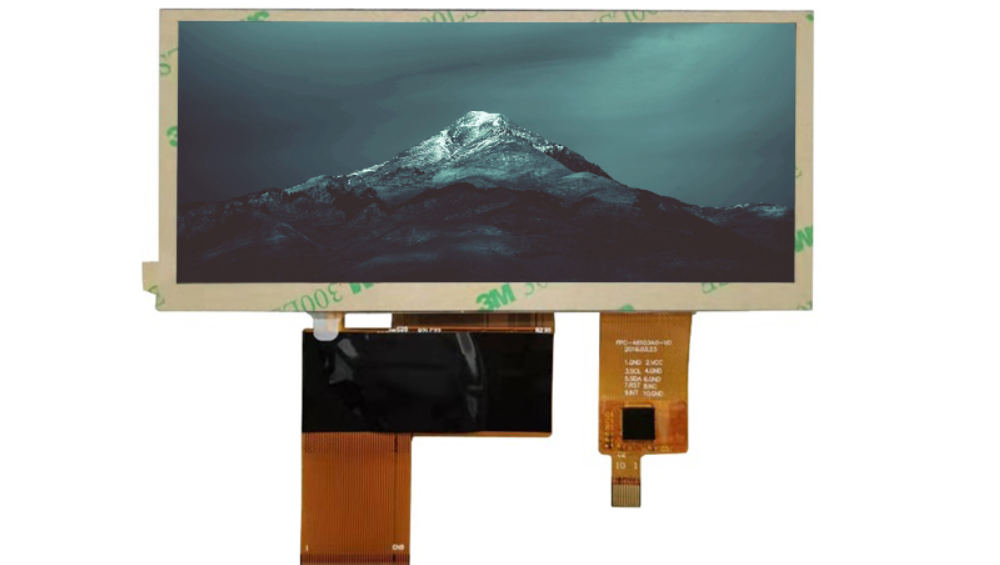
Patient Monitor Display Roles: Bedside vs Transport
Patient monitors come in two broad roles with different display demands. Bedside monitors are larger, run continuously, and show multiple waveforms and parameters at a distance; transport monitors are smaller, battery-powered, and move with the patient. The role defines size, brightness, power, and durability requirements: a transport display must balance readability with battery life, while a bedside display can afford a larger, brighter panel.
Specifications: Brightness, Resolution, and Viewing Angle
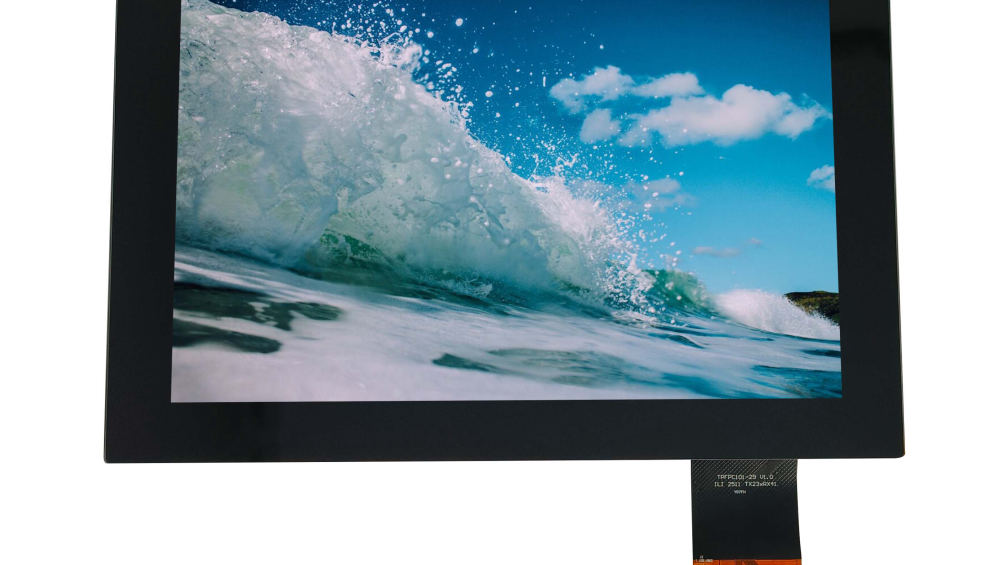
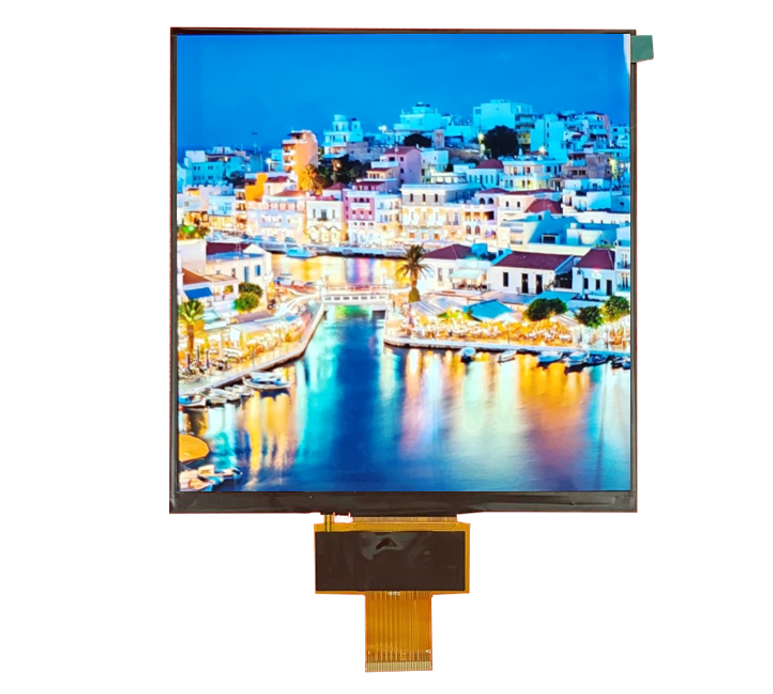
Monitor display specifications follow the clinical task: resolution must show waveform detail and legible numbers; brightness must stay readable under ward lighting without blinding in dark rooms; viewing angle must cover the clinician’s positions, from the foot of the bed to the patient’s side. Values such as resolution and luminance are product-class references confirmed on the specific panel datasheet—not standards in themselves. The panel must also hold grayscale and color stability for monitoring tasks, which is why optical consistency matters beyond the headline numbers.
Interfaces: LVDS, MIPI, and Touch Connections
Monitor displays connect over LVDS, MIPI-DSI, or eDP depending on the host processor, and touch monitors add a touch interface (commonly I2C or USB) plus the mechanical integration of the touch stack. The interface choice follows the monitor’s SoC and the resolution’s bandwidth. Interface guides cover the trade-offs; the monitor program freezes the interface early so the panel and host match before tooling.
Certification Context for Patient Monitors: What the Module Supports
IEC 60601-1 and its collateral govern the finished monitor’s electrical safety and EMC; the display module supports compliance through its electrical design and documentation but is not itself “certified” as the device. Keep the boundary precise: the module’s evidence—specification, test data, and quality records—feeds the device file, while the certification belongs to the complete monitor. The IEC 60601-1 and ISO 13485 framework guide owns the requirements layer; the monitor spec defines what the module must contribute to it.
Design Constraints: Cleaning, Gloves, and Fanless Operation
Monitor displays are cleaned with hospital disinfectants, operated with gloves, and often required to run fanless for noise and reliability. The front stack must survive the cleaning agents and wiping (cleaning practice has its own guide), touch must work with clinical gloves where touch is used, and the display and its electronics must dissipate heat without a fan. These constraints sit in the mechanical and thermal design of the monitor, and the display spec must support them—sealed front, compatible cover, and thermal margin.
Supply Checklist for Patient Monitors: Traceability, PCN, and EOL
A monitor program runs for years, so the display supply must too. The supply checklist includes traceability and batch records for the quality system, PCN terms so changes are visible before they affect the qualified device, and end-of-life planning so a panel change is a managed program, not an emergency. Supply-chain and change-control practice belongs to the medical supply chain guide; the monitor program turns those practices into a supplier agreement with defined notice and transition terms.
Frequently Asked Questions
What display specs do patient monitors need?
Resolution for waveform detail, luminance for ward lighting with night dimming, wide viewing angle for clinical positions, and stable grayscale and color—confirmed on the specific panel datasheet.
Which interfaces do patient monitors use?
LVDS, MIPI-DSI, or eDP for the panel, plus I2C or USB for touch where used—chosen by the monitor’s host processor and resolution.
What certification context matters for patient monitor displays?
IEC 60601-1 applies to the finished monitor; the display module supports compliance with evidence and documentation but is not the certified device itself.
What should a patient monitor display supplier document?
Specification and test data, traceability and batch records, PCN terms, and end-of-life plans that support the monitor’s quality system and long production life.
If you are specifying a patient monitor display, define the role, clinical environment, and supply terms before panel selection. CDTech supports medical display specification across the custom LCD range—contact us with your monitor program requirements.