Optical Bonding Cost, Yield and Defect Acceptance: The Numbers Buyers Never See
Optical bonding cost, yield and defect acceptance: what a bonding quote includes, who pays for yield loss and how to write a measurable standard.
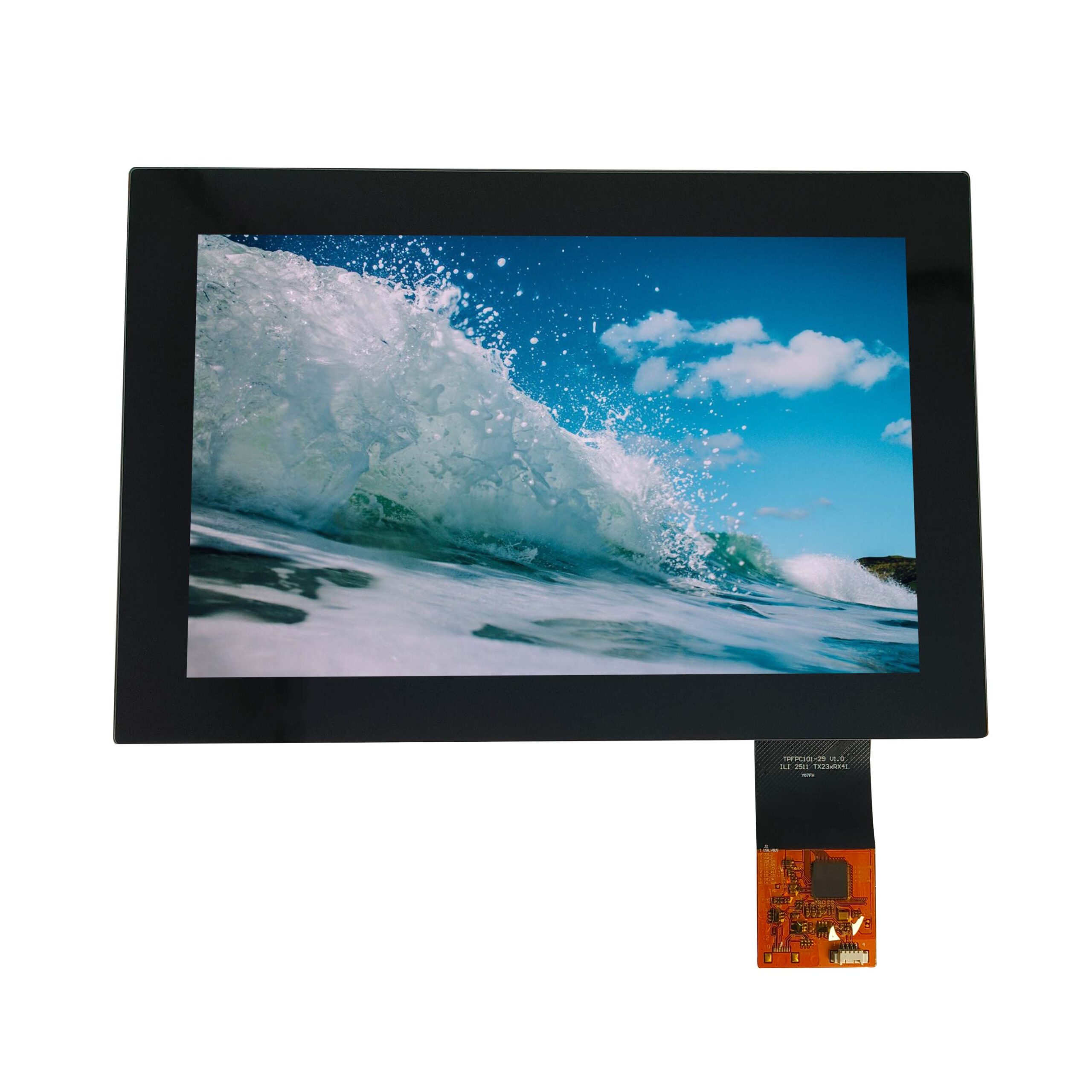
Two bonding quotations for the same module can differ by a factor of two, and the difference is rarely in the adhesive price. It is in yield assumptions, rework policy, inspection standard and who carries the risk when a panel is scrapped. Buyers who understand the structure of a bonding price negotiate better terms, and they stop arguing about cosmetic defects after the first shipment.
Part of the Optical, Backlight & Panel Technology guide — 30 articles on bonding, cover glass, brightness and panel choice.
What is actually included in a bonding quote
Material is a minority of the cost.
A bonding quotation covers labour, equipment time, consumables, inspection and yield. The adhesive, whether OCA film or liquid OCR, is a small share of the total; the larger items are the cleanroom time and the losses when an assembly fails and the panel cannot be recovered. Understanding this is what makes a price comparison meaningful, because a low quotation usually means either a thinner inspection standard or a yield assumption that the buyer will end up funding through rejected parts.
Ask for the quotation broken into material, process, inspection and yield allowance. A supplier that can show those lines is managing the process; one that quotes a single number is either very experienced or has not thought about it.
OCA vs OCR vs liquid bonding: cost structure differences
The process drives the yield curve.
| Approach | Process character | Cost behaviour |
|---|---|---|
| OCA film | Lamination under pressure, defined thickness | Stable per unit; rework possible in some cases; limited on curved or uneven surfaces |
| OCR liquid | Dispensing, spreading, curing | Suits large and curved assemblies; yield sensitive to process control and cure profile |
| Hybrid or edge-bond techniques | Combination of film and liquid processes | Used where full bonding is impractical; optical benefit is partial |
Film bonding tends to have a flatter cost curve and a predictable scrap rate; liquid bonding scales better to large or curved formats but rewards process control, so its cost is more sensitive to how well the supplier has mastered the process. CDTech’s comparison of OCA and OCR processes covers the technical differences that drive this.
Yield loss and who pays for it
The question that decides the real price.
Bonding can fail at several stages: bubbles or particles during lamination, delamination at the edges, mura from uneven adhesive thickness, or damage to the panel during handling. When an assembly fails, the panel, the cover glass and the touch sensor may all be lost. Whether that loss is absorbed by the supplier’s yield allowance or charged back to the buyer is the single largest commercial variable in a bonding programme.
The workable arrangement is a defined yield allowance included in the unit price, with a documented process for losses above it: what is investigated, what is reported, and how the cost is shared. Without that clause, every quality discussion becomes a negotiation.
Defect taxonomy: bubbles, particles, mura, delamination
Categories first, limits second.
An acceptance standard is only usable if both sides describe the same defect. The practical taxonomy separates bubble and particle defects (size, count, location), mura and uniformity deviations (measured, not described), edge delamination and lift (length and depth), and cosmetic damage to the glass or print. Each category needs a measurement or observation method, a limit, and a rule for whether it is acceptable in the active area, in the border, or not at all.
The distinctions matter commercially: a 0.2 mm bubble in the border of a shelf display is irrelevant, while the same defect in a medical imaging display may be unacceptable. Writing the standard around the application is what prevents both over-rejection and field complaints.
Writing an acceptance standard both sides can measure
Make every criterion observable and repeatable.
- State the viewing condition: distance, illumination, angle and whether the display is powered.
- Define zones: active area, border and edge, with different limits for each.
- Give limits as numbers – defect size, count per unit area, luminance variation percentage.
- Include reference photographs or boundary samples for each category, agreed and signed.
- State which criteria are 100 per cent inspected and which are sampled.
- Define the disposition of a rejected unit: rework, downgrade or scrap.
Boundary samples are the fastest way to end disputes, because they define the limit physically rather than verbally. The measurement discipline behind the optical criteria is described in CDTech’s notes on mura and luminance uniformity and on inspecting optical bonding quality.
Inspection method: visual, photographic and automated
The method determines the defect rate you observe.
Human visual inspection under a defined illumination catches the defects customers see and varies with the inspector; photographic inspection with fixed exposure is more repeatable and produces a record; automated optical inspection is the most consistent and the most expensive to set up, and it is usually reserved for automotive or high-volume programmes. The choice interacts with the acceptance standard: a strict limit inspected manually will be applied inconsistently, and an automated system will find defects that a visual standard would never have rejected.
Match the inspection method to the application and the volume, and state it in the standard. CDTech’s reliability and inspection practice, including AOI, is described in its quality programme; the certificate scope is published on the quality certifications page.

Rework, debonding and scrap economics
Rework is sometimes cheap and sometimes impossible.
Some assemblies can be debonded, cleaned and rebonded, which converts a scrap event into a labour cost; others cannot without damaging the panel or the touch sensor. The feasibility depends on the adhesive, the stack and the size of the assembly, and it should be established at the qualification stage rather than during a yield crisis. Where rework is possible, the process must be qualified, because a reworked assembly can carry hidden contamination that fails later.
The commercial question is who decides whether to rework or scrap, and how the decision is recorded. A documented rule prevents a supplier from shipping a reworked unit that the buyer would have rejected.
Volume thresholds that change the price curve
Bonding prices step rather than slide.
Volume affects bonding cost through tooling, fixture design, inspection setup and process learning. Below a few hundred units, the cost is dominated by setup and the process is often run in batches with a higher scrap rate. Above that, fixtures and inspection procedures can be optimised, and yield improves with repetition. The steps are typically tied to whether dedicated fixtures exist and whether inspection is automated.
Where a programme’s volume is uncertain, agreeing the price at two or three volume bands – and the yield assumption for each – avoids renegotiating later.
Hidden cost of a low bonding price
Cheap bonding usually shows up in the field.
A low price can come from a thinner inspection standard, an optimistic yield assumption, a marginal adhesive, or less process control. The consequences appear later as cosmetically rejected batches, field failures from edge delamination, or optical degradation after thermal cycling. The cost of those events is borne by the buyer in returns, rework, field service and reputation, and it typically exceeds the saving that motivated the decision.
The practical protection is a qualification programme that includes thermal cycling and optical inspection after cycling, so that a marginal process fails before production rather than after shipment.
Cost model example for a 10.1-inch bonded module
A structure to fill in with supplier-specific numbers.
| Cost element | What drives it | How to influence it |
|---|---|---|
| Panel and touch sensor | Class, resolution, touch technology | Standardise across products |
| Cover glass | Thickness, coatings, printing, tooling | Reduce print; standardise shapes |
| Adhesive material | OCA or OCR, thickness, area | Minor share; do not optimise first |
| Process time | Cleanroom, lamination, curing | Batch size, fixture design |
| Inspection | Visual, photographic or automated | Match to application and volume |
| Yield allowance | Historical scrap at this format and volume | Improve process control; agree the sharing rule |
| Rework and logistics | Debond feasibility, packing, freight | Design for rework where it pays |
Filling this table with a supplier’s actual numbers converts a price discussion into an engineering one. Adhesive and material data for the bonding step is documented by suppliers such as DELO and Henkel, glass substrate properties by AGC, and haze measurement for the optical acceptance criteria by ASTM D1003.
FAQ
Why is optical bonding expensive?
Because the cost is dominated by cleanroom process time, inspection and yield rather than by the adhesive. When an assembly fails, the panel, glass and touch sensor may all be lost, so the price includes an allowance for that risk. Quotations that look low usually carry a thinner inspection standard or an optimistic yield assumption.
What defects are acceptable in optical bonding?
Acceptability depends on the application and the zone. A standard distinguishes bubbles and particles by size and location, mura by measured luminance variation, and edge delamination by length and depth, with different limits for active area, border and edge, supported by agreed boundary samples.
Can a bonded display be reworked or debonded?
Sometimes, depending on the adhesive, the stack and the size of the assembly, but the process must be qualified because hidden contamination can cause later failures. Establish rework feasibility during qualification, and agree in writing who decides between rework, downgrade and scrap.
At what volume does bonding become cost-effective?
Costs step at volumes where dedicated fixtures and defined inspection procedures become worthwhile, which is typically in the high hundreds to low thousands of units per configuration. Below that, setup and a higher scrap rate dominate the unit price, and it is worth agreeing prices and yield assumptions for more than one volume band.
Next step
Send the module size, cover glass design, expected volume and the defect standard you intend to apply to CDTech; the reply will set out the bonding route, the yield assumption and the inspection method with the cost structure stated.
Contact sales@cdtech-lcd.com or use the contact page.
Related articles
 Optical Bonding for Outdoor Displays: UV, Thermal Cycling and Edge DelaminationOptical, Backlight & Panel Technology
 Backlight Driving and Dimming: PWM, DC and Hybrid Approaches ComparedOptical, Backlight & Panel TechnologyBacklight Lifetime and Lumen Maintenance: Predicting Real Service LifeOptical, Backlight & Panel TechnologyMura, Uniformity and Optical Acceptance: Writing a Standard Both Sides Can EnforceOptical, Backlight & Panel Technology