HDMI Displays for Embedded Applications: What You Need to Know
HDMI is everywhere in consumer video, and it is increasingly requested for embedded products: kiosks, monitors, and video walls that need a standard, plug-and-play video input. But an HDMI display is not a bare…

Why HDMI for Embedded: Plug-and-Play Integration
HDMI’s appeal is standardization: any host with an HDMI output can drive the display without custom interface bring-up. That suits products with off-the-shelf media players, PCs, or SoCs whose native display output is HDMI. The cost is extra electronics between the host and the panel—which is why HDMI displays are really integrated display solutions rather than bare panels.
The Signal Chain: From HDMI Source to Panel
The signal chain runs: HDMI source → receiver → scaler/controller → panel. The receiver decodes the HDMI stream, the controller formats it for the panel’s native resolution and timing, and the panel displays it. Each stage adds cost and latency, so the chain matters for interactive and video applications. Interface selection guides cover the alternatives; this article explains what the HDMI chain involves.
Resolutions and Scaling: 480p to 4K Panels
HDMI sources send a wide range of resolutions, while a panel has one native resolution. Scaling converts the incoming image to the panel’s native format, and scaling quality affects sharpness and latency. If the product drives only one resolution, scaling can be simple; mixed sources demand a better scaler. Match the panel and scaler to the resolution range the product actually receives.
Adapter Boards: The HDMI Integration Product
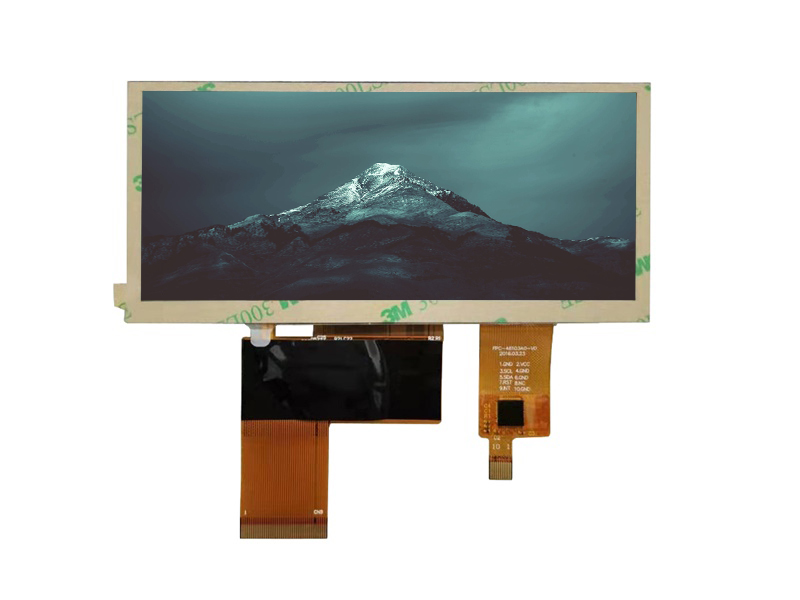
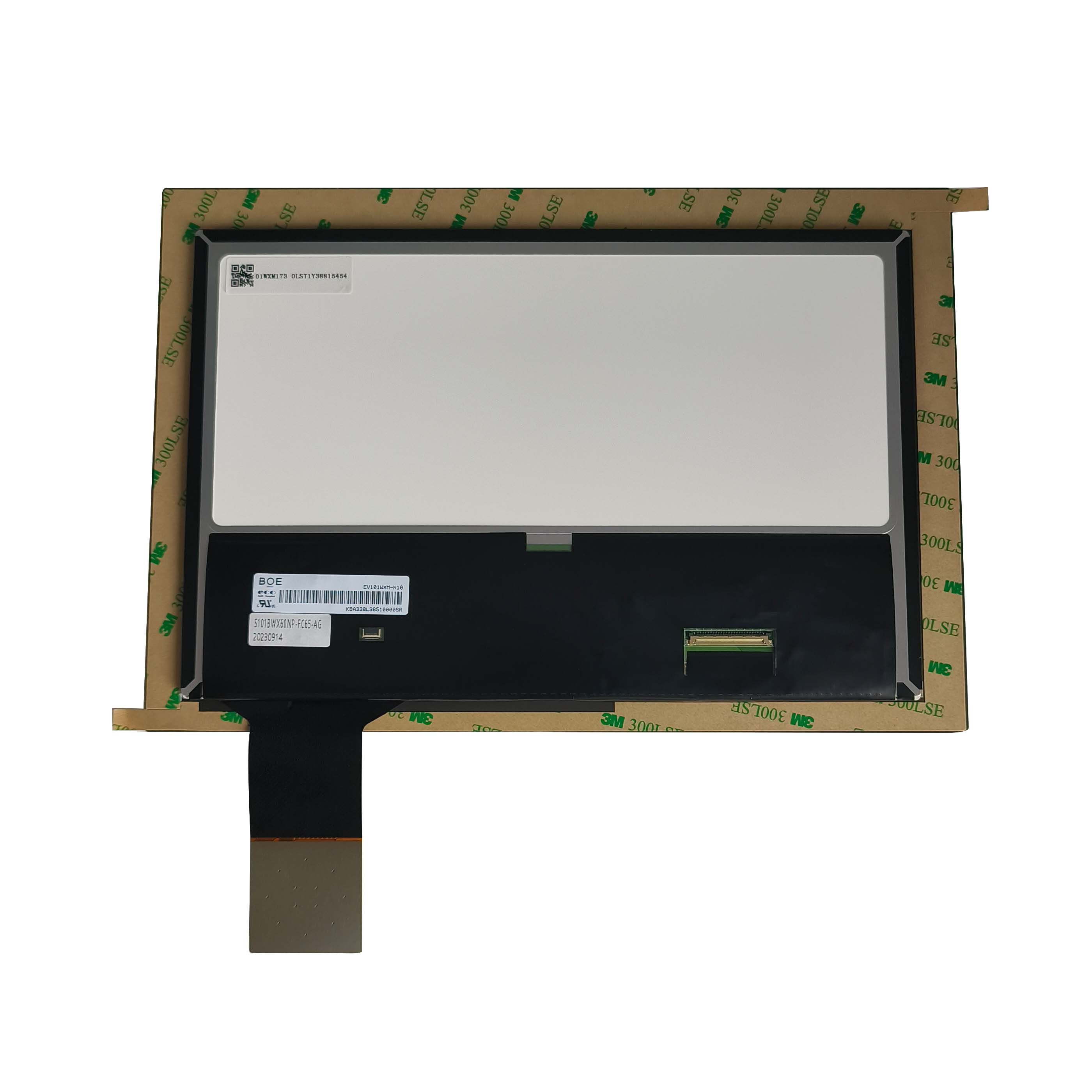
The adapter board is the practical integration product: it carries the HDMI receiver, the controller, and the panel connector, turning a bare panel into an HDMI-ready display. Adapter boards vary in input support, scaling, and added features such as touch pass-through or OSD. Selecting an adapter board is choosing the electronics between the source and the panel—specify it with the same care as the panel.
Latency and Sync: What the Receiver Adds
HDMI receivers add latency as they decode, scale, and re-time the signal. For video playback, tens of milliseconds are usually invisible; for interactive touch applications, latency is noticeable. If the product needs minimal latency, choose a receiver and scaler path designed for it and measure the end-to-end delay rather than assuming.
Use Cases: Kiosks, Monitors, and Video Walls
HDMI displays suit kiosks fed by media players, monitors and signage driven by standard hosts, and video walls built from tiled HDMI displays. The common thread is a standard video source and a product that values plug-and-play over the lowest possible electronics cost. If the host has a native panel interface (LVDS, MIPI) and the product is high-volume, a bare panel may be cheaper—the interface guides cover that comparison.
Frequently Asked Questions
What is an HDMI display for embedded use?
A display solution with an HDMI receiver and controller electronics that accepts a standard HDMI input and drives the panel, ready for plug-and-play integration.
Do I need an HDMI adapter board?
If your product’s video source is HDMI and your panel is bare, yes—the adapter board carries the receiver, scaler/controller, and panel interface. Some display products integrate this already.
Can HDMI drive a raw TFT panel?
Not directly. HDMI must be decoded and converted to the panel’s native interface and timing, which is exactly what the receiver and controller on the adapter board do.
What latency does an HDMI receiver add?
Receivers add decoding, scaling, and re-timing delay, typically a few frames or less depending on the scaler. Interactive applications should measure end-to-end latency rather than assume it.
If you are adding HDMI to an embedded product, define the source resolutions, latency needs, and panel format first, then select the adapter electronics. CDTech supports HDMI display integration across the custom LCD range—contact us with your video source and panel requirements.