High Brightness LCD Displays: Sunlight Readability by Design
A display is "sunlight readable" when the image stays visible in bright ambient light—and that is a system property, not a brightness number. The panel's luminance, the units used to describe it, the physics…

How Much LCD Brightness Does Your Application Need?
Brightness requirements come from ambient light, not from preference. A display in a shaded indoor area needs far less luminance than one facing direct sun through a window. Start by defining the worst-case ambient condition—the light level at the display surface when readability matters most—then set the panel luminance with margin. Application-specific brightness targets (automotive, bar displays outdoors, medical) are covered by their own guides; this guide owns the general design method.
Nits vs Lumens vs Lux: Understanding Brightness Units
Three units cause most of the confusion:
- Nits (cd/m²) — luminance of the display surface, the number that describes how bright the screen appears.
- Lumens — total light output of a source, useful for projectors and backlights but not directly the screen’s brightness.
- Lux — illuminance falling on a surface; the ambient light hitting the display, not the display’s own output.
Specify the display in nits and the environment in lux, and never compare the two directly.
Sunlight Readability Physics: Ambient Contrast and the 3:1 Target
Readability depends on contrast between the image and the reflected ambient light. When sunlight reflects off the front surface, it adds a bright veil that washes out the image; the display’s own luminance must overcome that reflection. A commonly used planning target is roughly 3:1 contrast between the display content and the ambient reflection, which means the panel luminance and the optical stack must be designed together to reach it. The target is a design heuristic, not a universal guarantee; measure the actual contrast in your environment.
Optical Stack Choices: AR, AG and Bonded Stacks
The optical stack controls how much ambient light reflects and how clearly the display content passes through:
- Anti-reflection (AR) — cuts the reflected light at the surface.
- Anti-glare (AG) — scatters reflection to soften glare.
- Bonding — removes internal reflections between the panel and cover.
The coating selection for vehicle displays and the cover glass design each have their own guides; the sunlight-readable design layer combines them into a stack that meets the ambient contrast target.
Backlight and Thermal Design: LED Count, Power and Derating
High luminance costs power and heat. A high-brightness backlight needs enough LEDs driven at a current that keeps them in range, plus a thermal path that keeps the module inside its operating limits. Brightness and lifetime trade against each other: running LEDs harder raises luminance but accelerates aging, which is why the backlight lifetime guide is part of the same design conversation. High-brightness modules also face derating—the achievable luminance at high ambient temperature may be lower than the room-temperature number.
Measuring and Verifying Sunlight Readability at High Lux
Verify readability by measurement under the real light condition:
- Set the ambient illuminance to the target level (for example, direct-sun conditions).
- Measure the display luminance and the reflected ambient light.
- Compute the contrast and compare against the readability target.
- Test with the actual content and viewing distance.
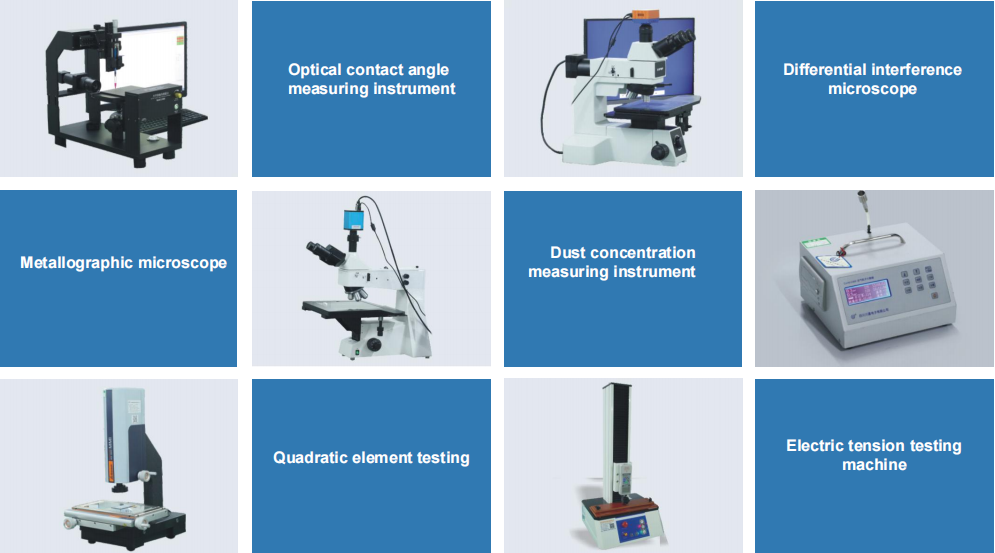
Luminance and contrast measurements need stated conditions: illuminance level, angle, and warm-up. A “sunlight readable” claim without the measurement conditions cannot be compared across suppliers.
Sunlight-Readable Display Specification Checklist
- Worst-case ambient illuminance at the display surface.
- Panel luminance with margin and derating conditions.
- Optical stack: AR, AG, cover, and bonding choices.
- Thermal design and backlight lifetime evidence.
- Measurement conditions for the readability acceptance test.
Frequently Asked Questions
How many nits do I need for sunlight readability?
The number depends on the ambient light and optical stack; higher ambient and more reflection need higher luminance. Define the worst-case illuminance and target contrast, then set nits with margin.
What is the difference between nits, lumens, and lux?
Nits measure the display’s luminance, lumens measure total source output, and lux measures light falling on a surface. Specify displays in nits and environments in lux.
How do I choose the optical stack for sunlight?
Set the ambient contrast target, then combine AR to cut reflection, AG to control glare, and bonding to remove internal reflections; verify by measurement at the target illuminance.
How do you measure sunlight readability?
Under a stated illuminance, measure display luminance and reflected light, compute contrast, and test with real content—reporting the conditions so the result is comparable.
If you are designing for sunlight, start with the ambient scenario and measure the stack, not just the panel. CDTech supports high-brightness display specification across the custom LCD range—contact us with your ambient and readability targets.