Display Reliability Testing: Thermal Cycling, Humidity, and Altitude
Reliability testing proves that a display survives the environment it will live in: thermal cycling for temperature change, humidity soak for moisture, thermal shock…
Read the note CDTech James — engineering notes on choosing, integrating and qualifying display modules.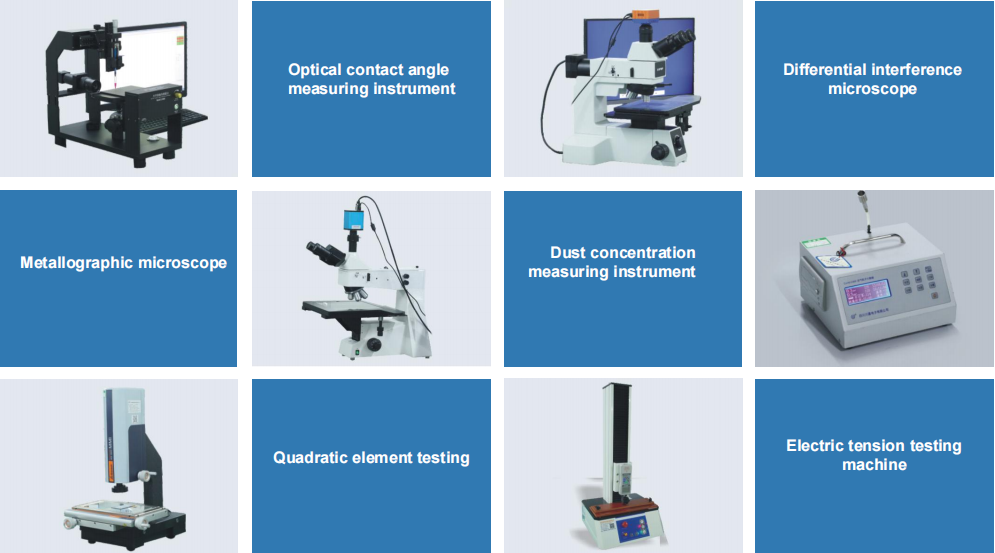
278 articles in this category.
Reliability testing proves that a display survives the environment it will live in: thermal cycling for temperature change, humidity soak for moisture, thermal shock…
Read the noteIndustrial and military display programs quote different standard families, and the practical difference is severity and documentation, not technology. IEC 60068 and IEC 61000…
Read the noteSunlight readability is an optical balance: the display must emit enough luminance to hold contrast while reflecting as little ambient light as possible. In…
Read the noteMoisture protection for an LCD module is a layered job: conformal coating protects the driver and backlight electronics, edge seals and gaskets protect the…
Read the noteA -40 degree LCD requirement is answered in specifications, not in adjectives: the operating range, the storage range, the cold-start time, and the test…
Read the noteVibration and shock testing for a display is only useful when the profile, the axes, the acceptance criteria, and the sample configuration are written…
Read the noteHDMI is everywhere in consumer video, and it is increasingly requested for embedded products: kiosks, monitors, and video walls that need a standard, plug-and-play…
Read the noteLVDS and MIPI DSI are the two serial interfaces most industrial display projects choose between, and they differ in ecosystem as much as in…
Read the noteA touchscreen can look perfect and still fail in the field: accuracy drifts, a controller glitches under noise, or the sensor degrades after thousands…
Read the noteThe touch controller is where a touchscreen becomes usable: it measures the sensor, filters noise, tracks fingers, and reports coordinates to your host. Choose…
Read the note